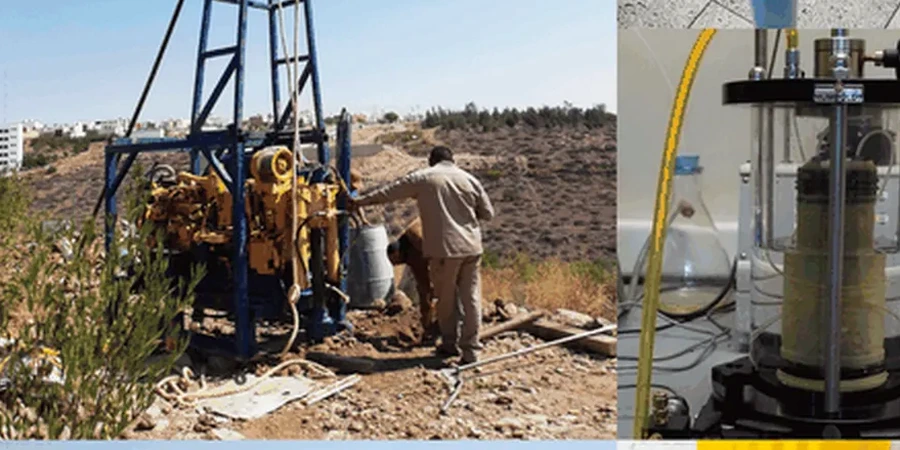
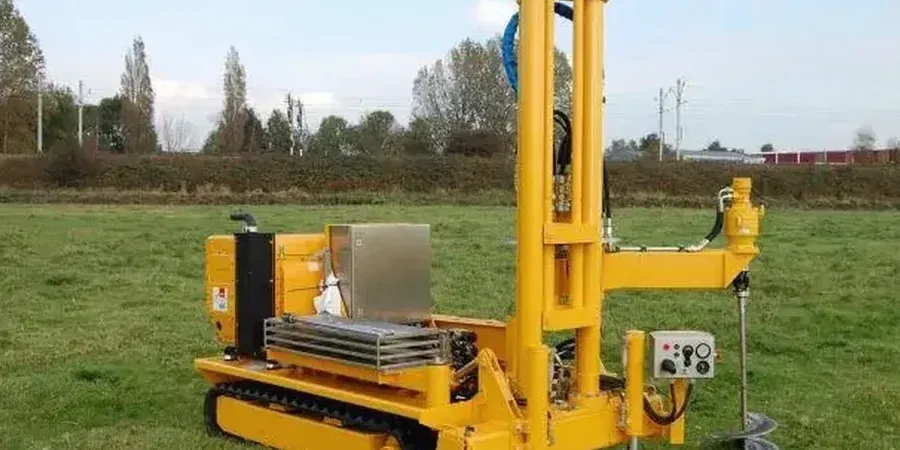
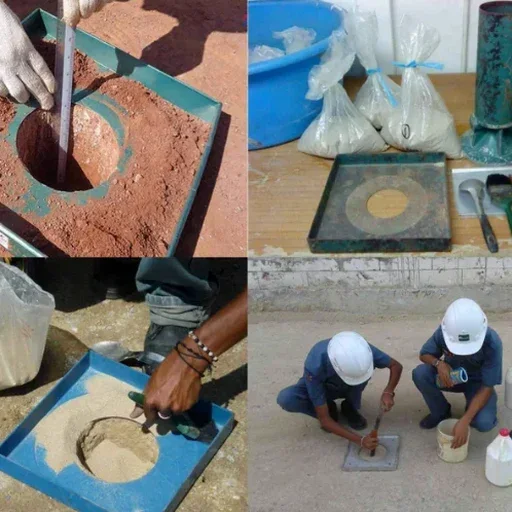
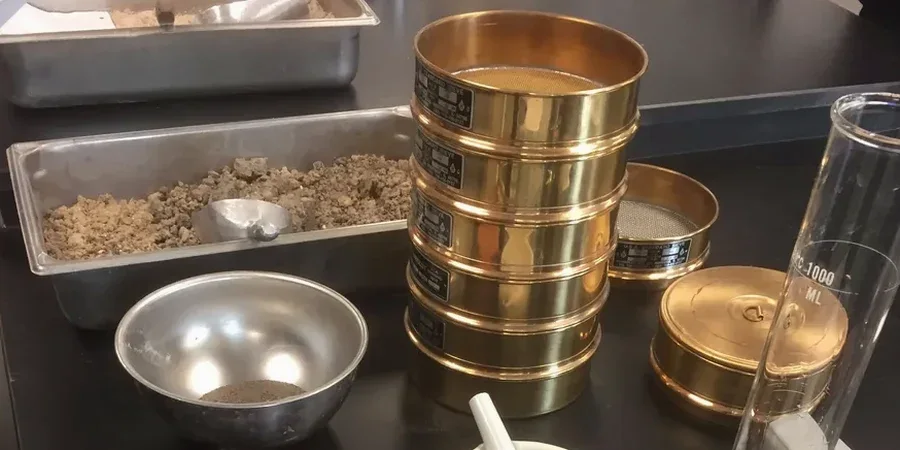
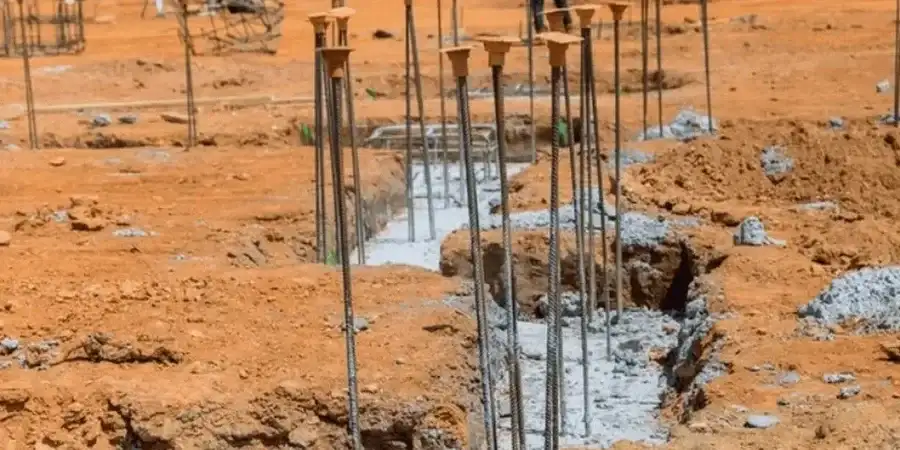
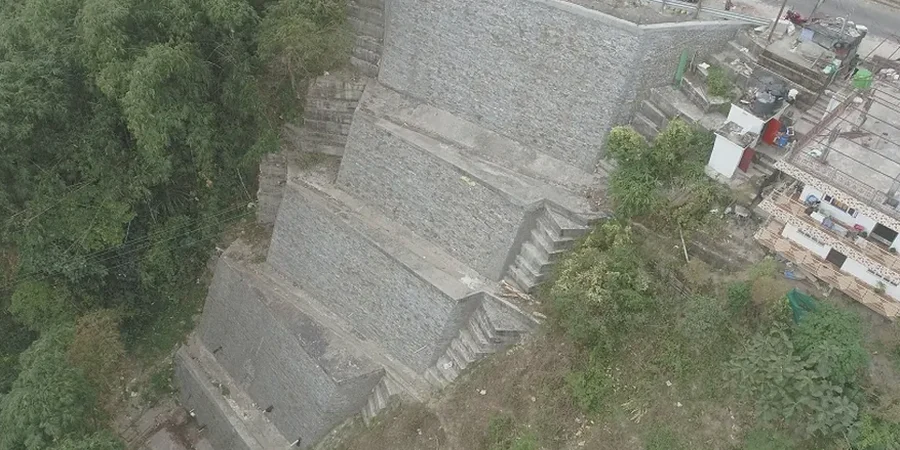
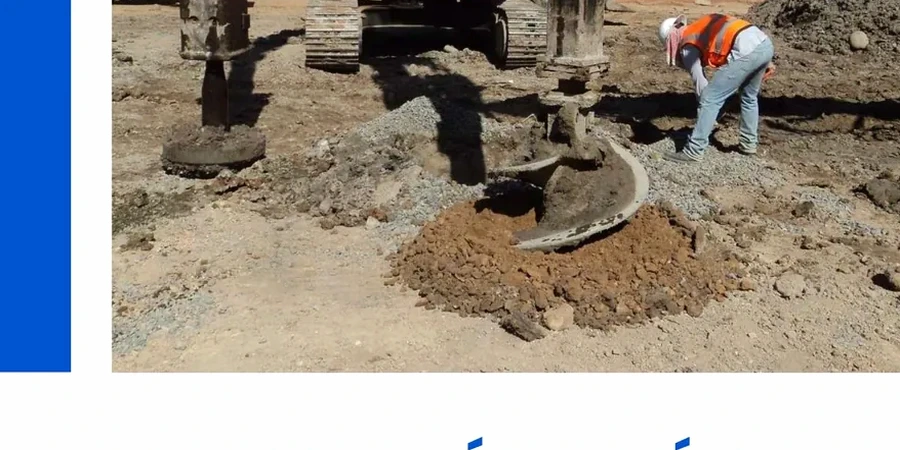
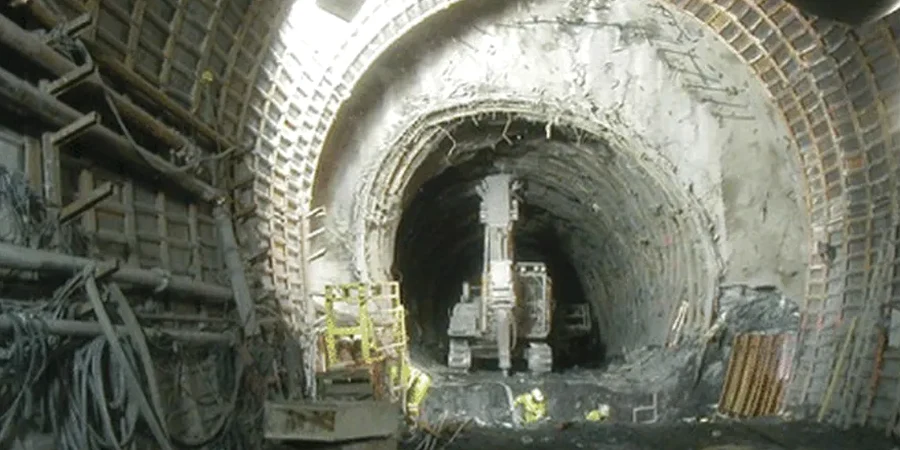
In Escondido, a soil mechanics study isn't a generic checklist item — it's the foundation for managing decomposed granite weathering profiles, colluvial clay pockets, and proximity to the San Jacinto fault zone. IBC Chapter 18 and ASCE 7 require site-specific shear strength, compressibility, and expansion potential data before grading or structural design. The USGS seismic hazard maps put much of Escondido in a high ground-motion area, so shallow bearing failures or differential heave aren't theoretical. We pull samples from test pits and SPT borings across sites east of I-15 or up into the Daley Ranch foothills, test for Atterberg limits, direct shear, and consolidation, and deliver a geotechnical model that civil and structural teams can use directly. When fill is planned or cut slopes exceed six feet, we often pair the slope stability analysis with lab-measured strength envelopes to avoid oversteepening in saturated winter conditions.
Decomposed granite in Escondido can lose 40 percent of its unconfined compressive strength within 48 hours of excavation — lab testing must match the timeline of exposure.