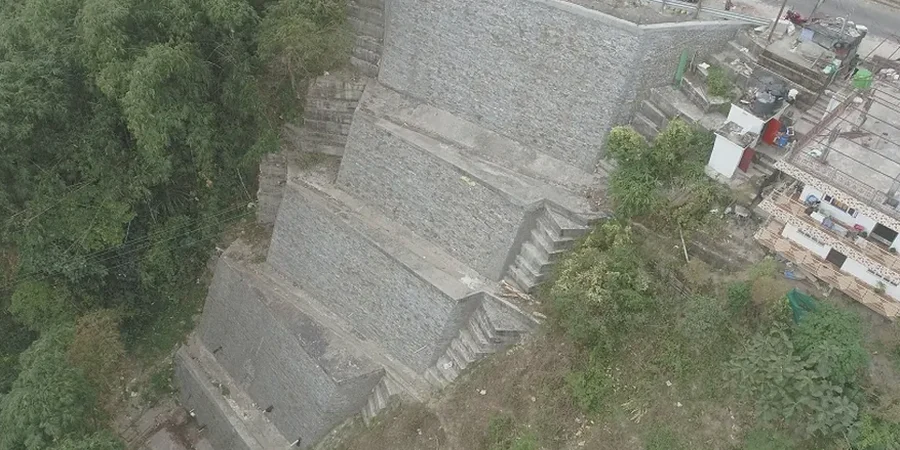
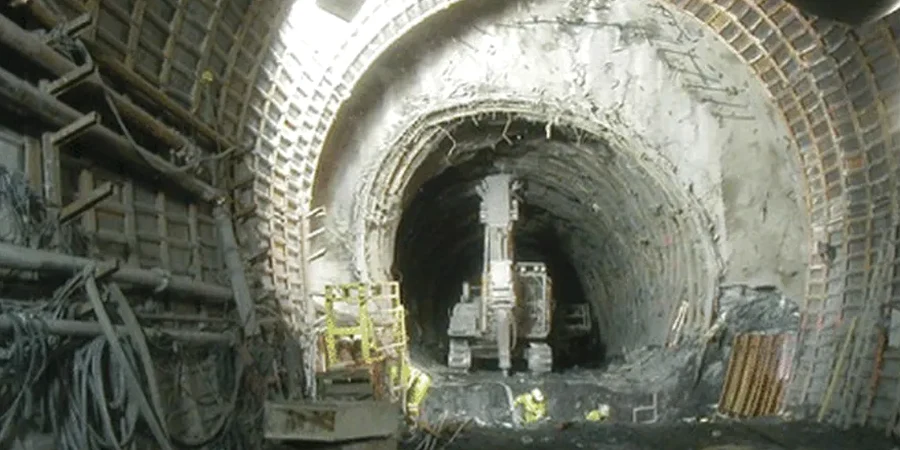
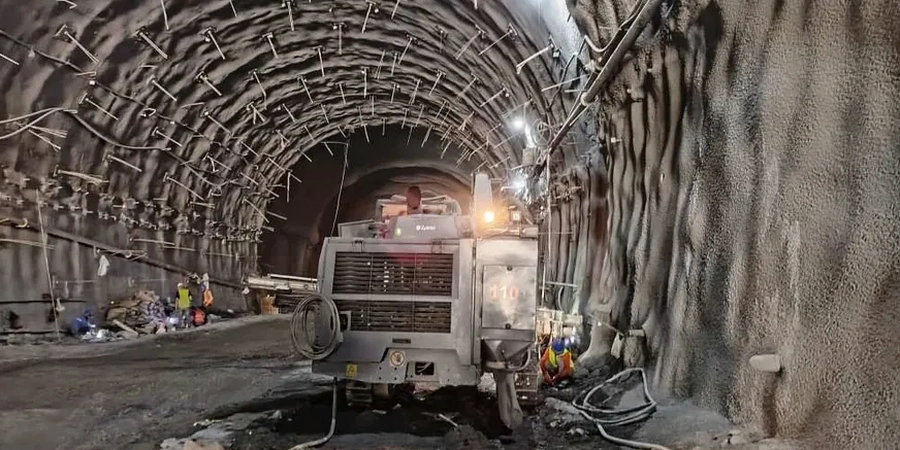
Escondido’s geology shifts dramatically from decomposed granite in the foothills to alluvial deposits near Escondido Creek. Summer heat exceeding 90°F dries out surface layers while winter storms saturate colluvial soils, creating a cycle of shrink-swell behavior that complicates any open cut deeper than eight feet. A geotechnical excavation monitoring program here must address rapid moisture changes, variable bearing strata, and proximity to hillside drainage channels. Inclinometer and piezometer data feed directly into the observational method, allowing the design team to confirm assumptions or trigger contingency measures before a minor deflection becomes a wall failure. For projects near the Rincon del Diablo uplift, we also integrate seismic refraction surveys to map rippability and fracture zones that influence shoring loads.
Real-time tiltmeter data combined with piezometric readings allow us to distinguish between structural deflection and seasonal groundwater fluctuation—two phenomena that often look identical on a crack gauge.