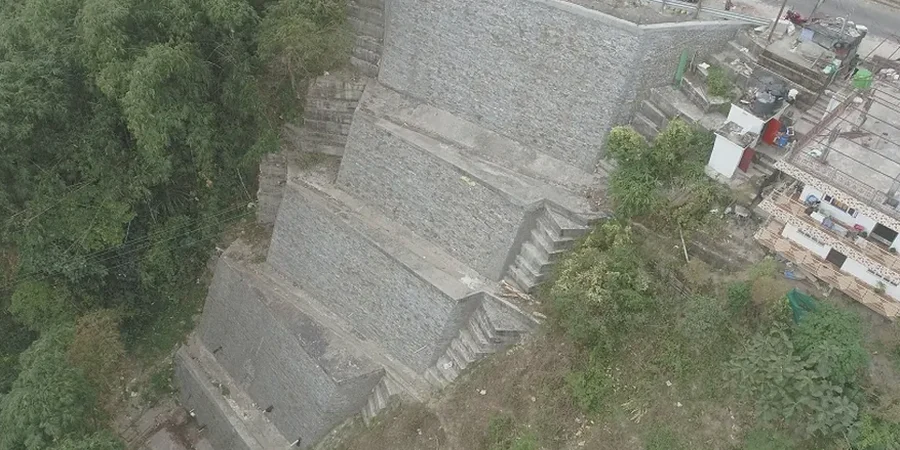
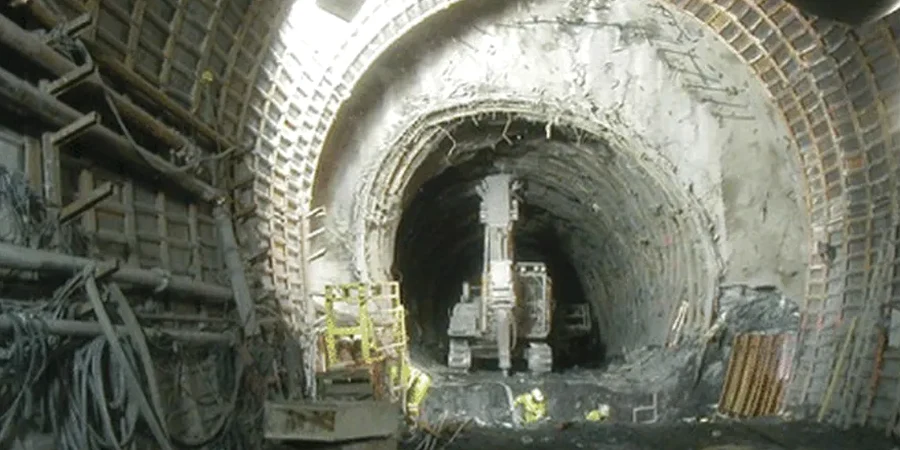
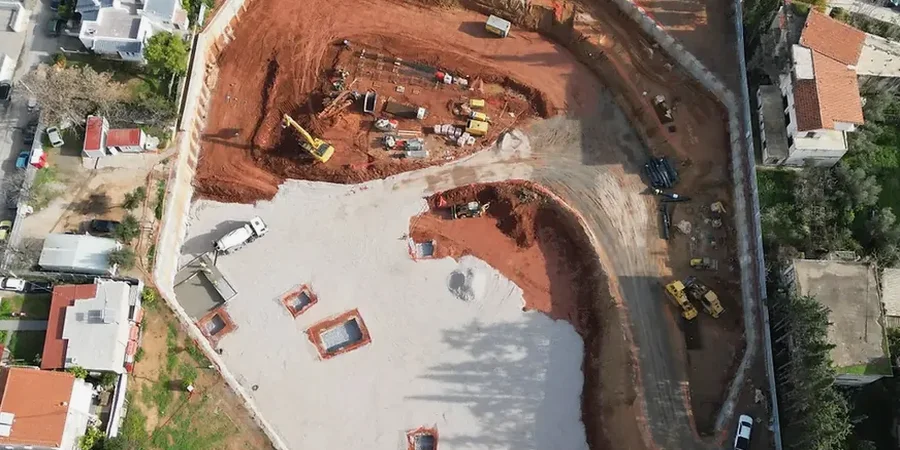
The 2022 California Building Code (Part 2, Title 24) and ASCE 7-22 place explicit requirements on excavation support systems, particularly where cuts exceed five feet and are adjacent to public rights-of-way. In Escondido, where the subsurface transitions abruptly from granitic bedrock to dense alluvial terraces along Escondido Creek, the design of deep excavations demands more than a generic global stability check. The city's average elevation of 684 feet masks a complex pediment surface where decomposed granite can stand near-vertically for weeks but ravels rapidly once moisture content shifts. Our team applies IBC Chapter 33 and Caltrans Trenching and Shoring Manual methodologies to every shoring design, combining site-specific SPT drilling data with laboratory shear strength parameters to size soldier pile and lagging systems that account for the surcharge of adjacent one- and two-story commercial structures common in the downtown corridor.
In Escondido's decomposed granite, relict joint orientations can control excavation stability more than the matrix strength itself.