GEOTECHNICALENGINEERING1
ESCONDIDO
HomeFoundationsShallow foundation design

Shallow Foundation Design in Escondido CA – Reliable Bearing Capacity on Coastal Terrace Soils

Sound ground. Sound decisions.

LEARN MORE

Escondido sits atop a complex mix of Pleistocene terrace deposits, weathered granitic rocks, and pockets of recent alluvium along Escondido Creek. The Lindavista Formation dominates the hillsides, presenting medium-dense sandy silts that hold up well until you hit a clay seam. A shallow foundation design here must account for sudden stiffness contrasts. Seismic shaking in a city 20 miles inland still amplifies on soft alluvium, and the 2022 IBC/ASCE 7-22 site classification for much of Escondido falls into Site Class D. Before any footing is sized, the bearing strata gets verified with an SPT drilling program to map refusal depth and seasonal groundwater perched within the weathered zone.

A shallow foundation in Escondido is only as good as the moisture control plan beneath it — ignore the active zone and you are rebuilding in two seasons.
Our service areas

Methodology and scope

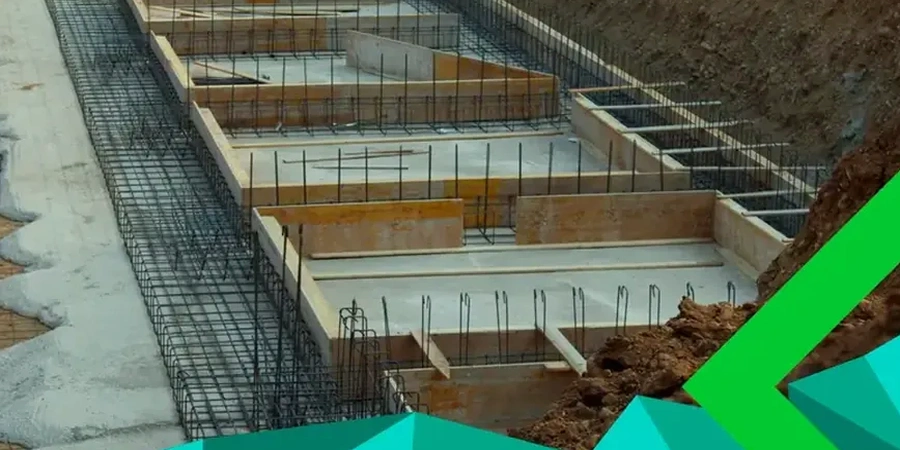
The team sees a recurring pattern across Escondido projects: the upper 3 to 5 feet of fill and desiccated crust mask what lies beneath. A footing placed on stiff-looking crumbly clay fails when irrigation raises moisture content and the soil loses suction. Shallow foundation design in this city means running consolidation tests on Shelby tube samples and checking expansion index per ASTM D4829. We size footings so the bearing pressure stays below 2,000 psf in the active zone, then step them deeper near mature oaks to avoid root-induced heave. For hillside lots with cut-fill transitions, the foundation gets a variable-depth undercut and a compacted aggregate key. Every recommendation ties back to a geotechnical report stamped by a California-licensed engineer.
Shallow Foundation Design in Escondido CA – Reliable Bearing Capacity on Coastal Terrace Soils
Technical reference — Escondido

Local considerations

The rig rolls onto an Escondido lot with a CME-45B drill mounted on a compact track carrier. The crew pushes a 3-inch continuous-flight auger to 25 feet, logging cuttings every foot. The driller watches for the torque spike that signals refusal on granitic bedrock — usually around 12 to 18 feet in the Rincon del Diablo area. He then advances a split-spoon sampler with a 140-pound hammer falling 30 inches, counting blows to get N-values for each bearing layer. The cuttings go into jars, and the sampler tubes get sealed with wax for moisture preservation. Back in the lab, those samples run through Atterberg limits and unconfined compression within 24 hours.

Need a geotechnical assessment?

Reply within 24h.

Email: contact@geotechnicalengineering1.com

Explanatory video

Applicable standards

IBC 2024 Chapter 18 – Soils and Foundations, ASCE 7-22 Chapter 20 – Site Classification Procedure, ASTM D1586-18 – Standard Penetration Test (SPT), ASTM D2487-17 – Unified Soil Classification System, ASTM D4829-21 – Expansion Index of Soils

Technical parameters

ParameterTypical value
Net allowable bearing pressure (stiff alluvium)2,000 – 3,000 psf
Active zone depth (expansive clay)36 – 48 in
Minimum footing embedment18 in below lowest adjacent grade
Seismic site class (typical)D (ASCE 7-22 Chapter 20)
Expansion index thresholdEI > 90 (high expansion)
Design groundwater depthPerched at 8 – 15 ft in alluvium

Frequently asked questions

What is the typical cost range for a shallow foundation design package in Escondido?

For a residential or light commercial project in Escondido, the shallow foundation design package — including subsurface exploration, lab testing, and the stamped geotechnical report with bearing capacity and expansion mitigation recommendations — runs between US$1,910 and US$2,970. The final figure depends on the number of borings required, depth to competent bearing strata, and whether a geologist needs to map fill boundaries on the lot.

How deep do footings need to be in Escondido's expansive clay areas?

The IBC requires a minimum 18-inch embedment below the lowest adjacent finished grade, but in Escondido's high-expansion zones (EI > 90), we typically specify 30 to 36 inches to get below the active moisture fluctuation zone. A geotechnical investigation confirms the exact depth for your specific lot.

Does a shallow foundation design include a seismic analysis?

Yes. Every shallow foundation design we produce for Escondido sites includes a seismic bearing capacity reduction check and a sliding/overturning stability evaluation per ASCE 7-22. Seismic site class is determined from SPT or shear-wave velocity data collected during the investigation.

What happens if you encounter groundwater during the investigation?

Perched groundwater is common in Escondido's alluvial corridors. When we hit water within the zone of influence, we install a temporary monitoring well to record the stabilized level. The foundation design then incorporates a drainage blanket and, if needed, a waterproofing recommendation to keep the footing envelope dry.

How long does it take to get the final foundation design report?

From the day the drill rig finishes on site, you can expect the final stamped report in 10 to 14 business days. Rush turnaround of 5 to 7 days is available if the lab prioritizes your samples and the engineer knows the project deadline upfront.

Location and service area

We serve projects across Escondido and surrounding areas.

View larger map